
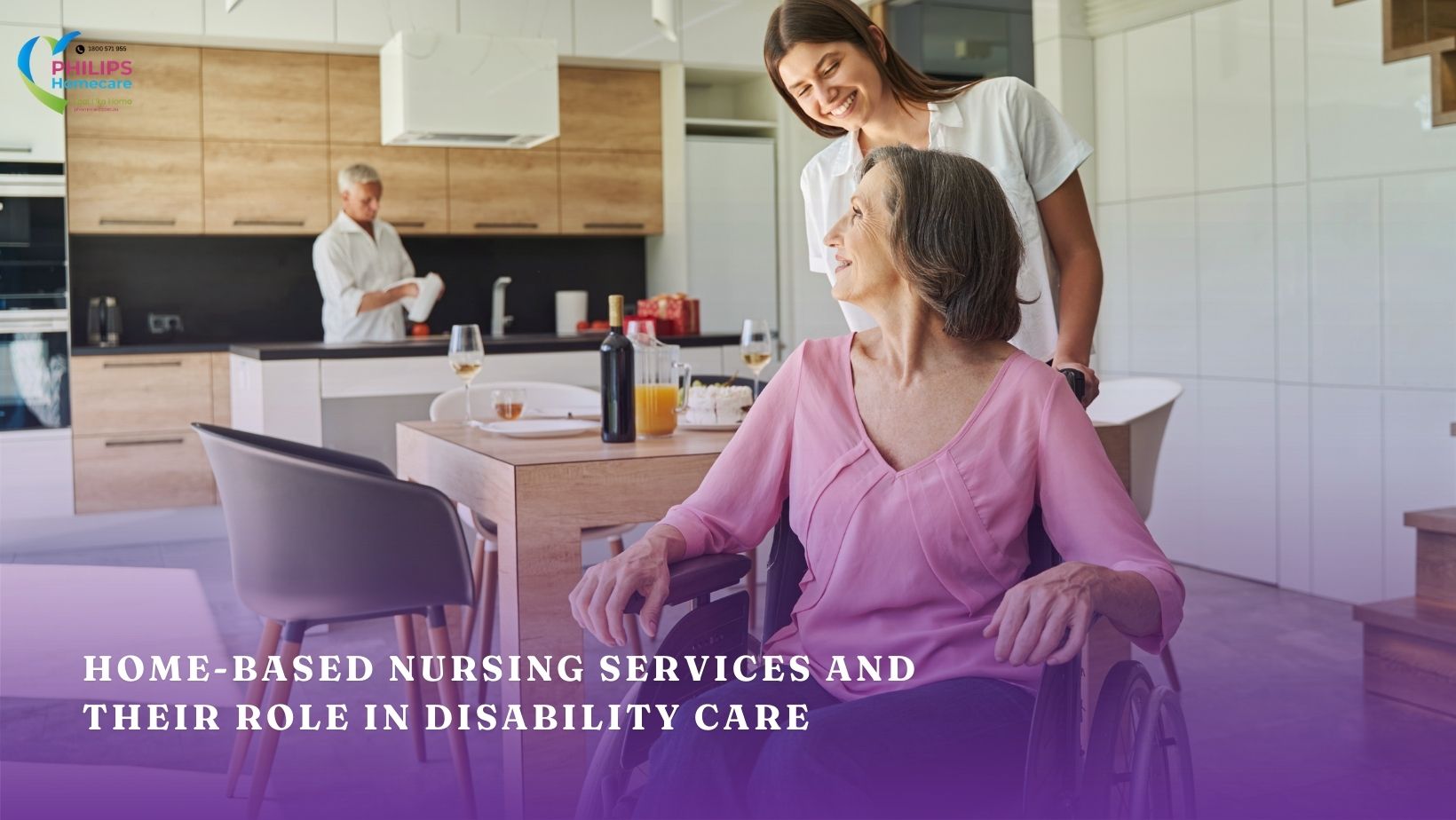
Home-based nursing services in Hobart play a vital role in supporting people living with disability to lead safe, healthy, and independent lives. Rather than relying solely on hospital or clinic visits, many individuals now receive professional nursing care in the comfort of their own homes. This approach not only improves health outcomes but also promotes dignity, choice, and continuity of care.
For NDIS participants, home-based nursing services are an essential part of disability support. They address complex medical needs while aligning with personal goals, daily routines, and individual preferences.
Home-based nursing services involve qualified and registered nurses delivering clinical care in a person’s home or community setting. These services are designed for individuals who require ongoing medical support, short-term clinical care, or assistance managing complex health conditions related to disability.
Unlike hospital-based care, Nursing Services in Hobart delivered at home focus on integrating healthcare into daily life. Nurses assess health needs, provide treatment, and support long-term wellbeing while respecting individual preferences and goals.
The Importance of Home-Based Nursing in Disability Care
People living with disability often experience additional health challenges that require skilled clinical support. Home-based nursing services in Hobart help bridge the gap between medical care and daily living by providing consistent and professional support in a familiar environment.
Key benefits include:
- Reduced hospital admissions
- Improved comfort and emotional wellbeing
- Greater independence and confidence
- Personalised care aligned with NDIS goals
Receiving care at home allows nurses to better understand the participant’s environment, routines, and support systems, leading to more effective and meaningful care.
Types of Home-Based Nursing Services
Home-based nursing services cover a wide range of supports depending on individual needs. In disability care, these services are often flexible and can be adjusted as conditions change.
- Clinical Nursing Care
This includes health assessments, monitoring of medical conditions, vital signs checks, pain management, and ongoing clinical support. Nurses ensure health concerns are identified early and managed safely.
- Medication Management
Many NDIS participants require support with complex medication routines. Home-based nurses assist with medication administration, monitoring side effects, and ensuring medications are taken correctly and safely.
- Wound and Skin Care
Professional wound care helps prevent infections and supports healing. Nurses provide dressing changes, pressure injury management, and skin integrity monitoring.
- Continence and Catheter Care
Nursing support in this area improves comfort, hygiene, and confidence. Services include catheter care, continence assessments, and bowel and bladder management plans.
- Chronic Disease Management
Home-based nursing plays a key role in managing long-term conditions such as diabetes, respiratory illness, or neurological disorders. Nurses provide regular monitoring, education, and support to prevent complications.
- PEG Feeding and Nutrition Support
For participants requiring enteral feeding, nurses provide safe PEG tube care, monitor nutrition and hydration, and reduce the risk of infection.
- Post-Hospital and Transitional Care
After hospital discharge, home-based nursing services support recovery by providing follow-up care, monitoring progress, and reducing the risk of readmission.
Supporting NDIS Goals Through Nursing Care
Under the NDIS, participants are encouraged to exercise choice and control over their supports. Home-based nursing services in Hobart align strongly with this approach by offering flexible and participant-focused care.
Nurses work with participants to:
- Support independence where possible
- Maintain health and stability
- Build confidence in managing health needs
- Reduce reliance on emergency care
This collaborative approach ensures nursing care is not only clinically effective but also empowering.
Person-Centred Approach in Disability Nursing
A key element of effective disability nursing care in Hobart is a person-centred approach. This means care is designed around the individual, not the condition.
Nurses take the time to understand:
- The participant’s goals and preferences
- Cultural and personal values
- Daily routines and living arrangements
- Communication needs
This approach builds trust and ensures care feels supportive rather than intrusive.
How P Homecare Supports Disability Care Through Home-Based Nursing
P Homecare supports disability care through professional home-based nursing that focuses on safety, dignity, and individual needs. Nursing services are delivered by qualified and experienced nurses who understand the complexities of disability-related health conditions. Care is provided in the comfort of the participant’s home, allowing support to fit naturally into daily routines while promoting independence and confidence.
Each participant receives a personalised nursing care plan developed in line with their NDIS goals, health requirements, and personal preferences. Nursing support may include clinical care, medication management, wound care, chronic condition monitoring, and post-hospital recovery. Strong communication with families, support coordinators, and allied health professionals ensures care is consistent and well-coordinated.
By delivering flexible and person-centred home-based nursing, P Homecare helps participants maintain their health, reduce hospital visits, and achieve a better quality of life within their community.
Frequently Asked Questions
Does the NDIS cover nursing services in Hobart?
The NDIS may fund nursing services for eligible participants when the support is related to their disability and meets NDIS funding requirements. NDIS nursing can assist participants who have complex or ongoing health needs, including medication management, wound care, continence support, diabetes management, and other specialised clinical care. The type and amount of funding available depends on the participant’s individual circumstances and NDIS plan. A nursing provider can help coordinate services around the participant’s health needs and goals.
Who can benefit from community nursing services in Hobart?
Community nursing can benefit people who need professional healthcare support outside a hospital or medical clinic. This may include people with disabilities, older adults, individuals with chronic illnesses, people recovering from surgery or hospital stays, and those with complex medical needs. Community nurses can provide clinical care, monitor health conditions, support medication routines, manage wounds, and provide health education. The aim is to help people remain as independent as possible while receiving safe and appropriate nursing support in their home or community.
How do I choose the right nursing service in Hobart?
When choosing a nursing service in Hobart, consider whether the provider has experience with your specific health or disability needs and can provide the type of care you require. It is also important to ask about nurse qualifications, personalised care plans, service availability, communication with your healthcare team, and NDIS experience if applicable. A good nursing provider should take time to understand your goals and preferences and provide flexible, person-centred care that can adapt as your needs change.

Add Comment