
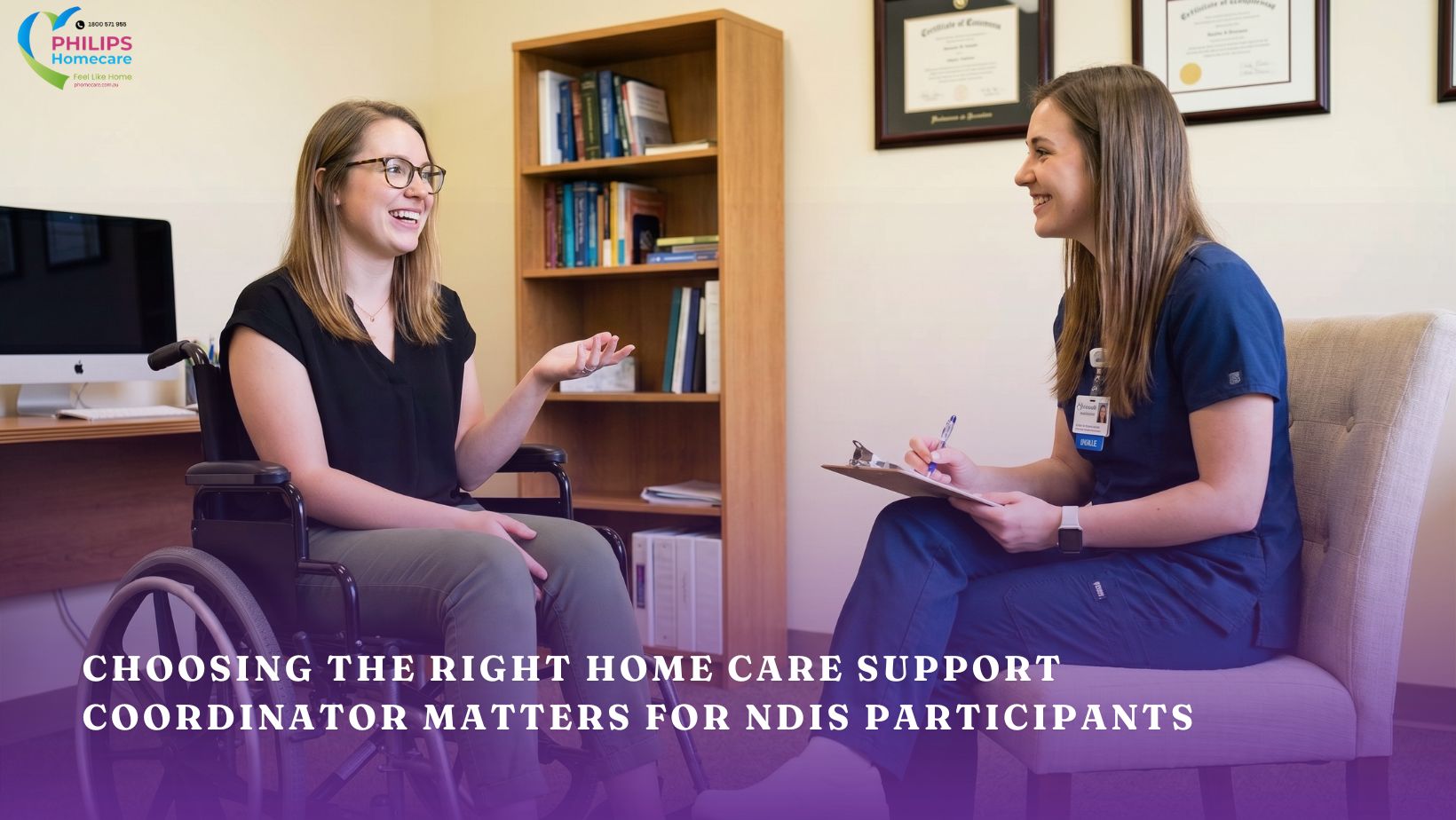
Navigating the National Disability Insurance Scheme can sometimes feel overwhelming for participants and their families. Understanding funding, organising services, managing providers, and achieving personal goals often requires guidance and ongoing support.
The support coordinator helps participants make informed decisions about their supports while ensuring they receive services that match their individual needs. Good coordination not only improves daily living but also helps participants build independence, confidence, and stronger community connections.
For many NDIS participants, choosing the right support coordinator can have a long-term impact on their quality of life.
Understanding the Role of a Home Care Support Coordinator
A support coordinator helps participants understand and implement their NDIS plan effectively. Their role is to connect participants with suitable support services, explain available options, and assist with managing different aspects of care.
Participants may require help finding therapy services, daily living support, transport assistance, accommodation services, or community programs. A reliable support coordinator ensures these supports work together smoothly to meet the participant’s goals.
The coordinator also helps participants build the skills needed to manage their supports independently over time. This guidance creates a more organised and less stressful experience for both participants and families.
Helping Participants Understand Their NDIS Plan
NDIS plans often contain different budgets, categories, and funding arrangements that can sometimes be difficult to understand. A knowledgeable support coordinator explains these details in simple language so participants can confidently use their funding.
Understanding how supports can be used is essential for getting the best outcomes from an NDIS plan. As trusted home care support coordinator, we help participants avoid confusion and ensures funding is used in ways that support their goals. This support becomes especially valuable during plan reviews or when participants experience changes in their needs or circumstances.
Connecting Participants with the Right Services
One of the biggest advantages of having a dependable home care support coordinator is access to the right services and providers.
- Every participant has unique goals and preferences. Some may need help with personal care, while others may focus on employment, therapy, social participation, or independent living. Our care support coordinator takes the time to understand these goals before recommending suitable services.
- The right support connections can improve daily life, increase independence, and create better long-term outcomes for participants.
- Participants also benefit from having someone who can coordinate communication between different providers, ensuring supports remain consistent and organised.
Reducing Stress for Families and Participants
Managing multiple appointments, providers, and support services can become stressful for participants and their families. As reliable home care support coordinator, we help reduce this pressure by assisting with planning, communication, and service coordination. Families often feel more confident knowing there is someone helping to manage supports and monitor progress. This ongoing assistance allows participants to focus more on achieving their goals and enjoying their daily lives.
A supportive home care support coordinator also helps solve problems quickly when challenges arise, making the NDIS journey smoother and less overwhelming.
Encouraging Independence and Confidence
One of the main goals of the NDIS is to help participants live more independently. A trusted home care support coordinator plays an important role in supporting this journey. Instead of making decisions for participants, the coordinator encourages individuals to make choices about their own supports and future goals. This approach helps participants develop confidence in managing their daily lives. Participants may gradually learn how to organise appointments, communicate with providers, manage routines, and access community services independently. With encouragement from our dedicated support coordinators, participants often feel more empowered to explore new opportunities and build stronger life skills.
Supporting Community Participation
Being involved in the community is important for emotional wellbeing and social development.
- A compassionate home care support coordinator helps participants find opportunities to connect with others and participate in meaningful activities.
- This include social programs, recreational activities, education, volunteering, or employment pathways.
- Community participation helps participants build relationships, improve communication skills, and feel more connected to the world around them.
As trusted home care support coordinator, we ensure participants have access to activities that match their interests, abilities, and personal goals.
Assistance During NDIS Plan Reviews
NDIS plans may change over time depending on the participant’s needs and goals. During plan reviews, participants often need support gathering reports, reviewing progress, and identifying future support requirements. A dependable home care support coordinator helps participants prepare for these reviews by ensuring important information is organised and ready for discussion. This guidance can help participants feel more confident during meetings and ensure their support needs are clearly communicated.
Having a supportive coordinator during this process can make plan reviews more productive and less stressful.
Building Long-Term Support Relationships
Strong relationships are important when providing disability support services. A caring home care support coordinator builds trust by listening carefully, communicating openly, and understanding the participant’s journey. Participants often feel more comfortable discussing challenges and goals when they have a coordinator who genuinely understands their needs. Long-term support relationships also allow coordinators to better understand how participant needs may change over time. This helps ensure supports remain suitable and effective.
At P Homecare, the focus is on building supportive relationships that help participants feel heard, respected, and valued throughout their NDIS journey. Choosing the right home care support coordinator can have a lasting impact on the lives of NDIS participants and their families. From understanding NDIS plans to organising services and encouraging independence, the right support makes everyday life easier and more meaningful.
Participants deserve support that respects their choices, supports their goals, and helps them feel confident in their journey toward independence. At P Homecare, participants are supported with personalised care and ongoing guidance designed to create positive outcomes and meaningful progress at every stage of their NDIS journey.
FAQ
How to choose a support coordinator?
Choosing the right home care support coordinator starts with understanding your goals and support needs. A good support coordinator should listen carefully, communicate clearly, and help you understand your NDIS plan in simple terms. It is also important to choose someone who respects your choices and helps you connect with services that match your lifestyle and goals. Many participants prefer a support coordinator who is reliable, approachable, and experienced in coordinating different NDIS supports.
Can I change my support coordinator?
Yes, you can change your support coordinator if you feel your current support is not meeting your needs. NDIS participants have the right to choose services that best support their goals and preferences. Before changing providers, it is helpful to review your service agreement and discuss any notice periods that may apply. A new support coordinator can also assist you with the transition process to ensure your supports continue smoothly.
How long does a plan review take?
The timeframe for an NDIS plan review can vary depending on individual circumstances and the information required by the NDIS. In many cases, reviews may take several weeks from the time all supporting documents are submitted. Delays can sometimes happen if additional reports or assessments are needed. Having a support coordinator can help participants prepare documents, organise reports, and communicate important information during the review process.

Add Comment