
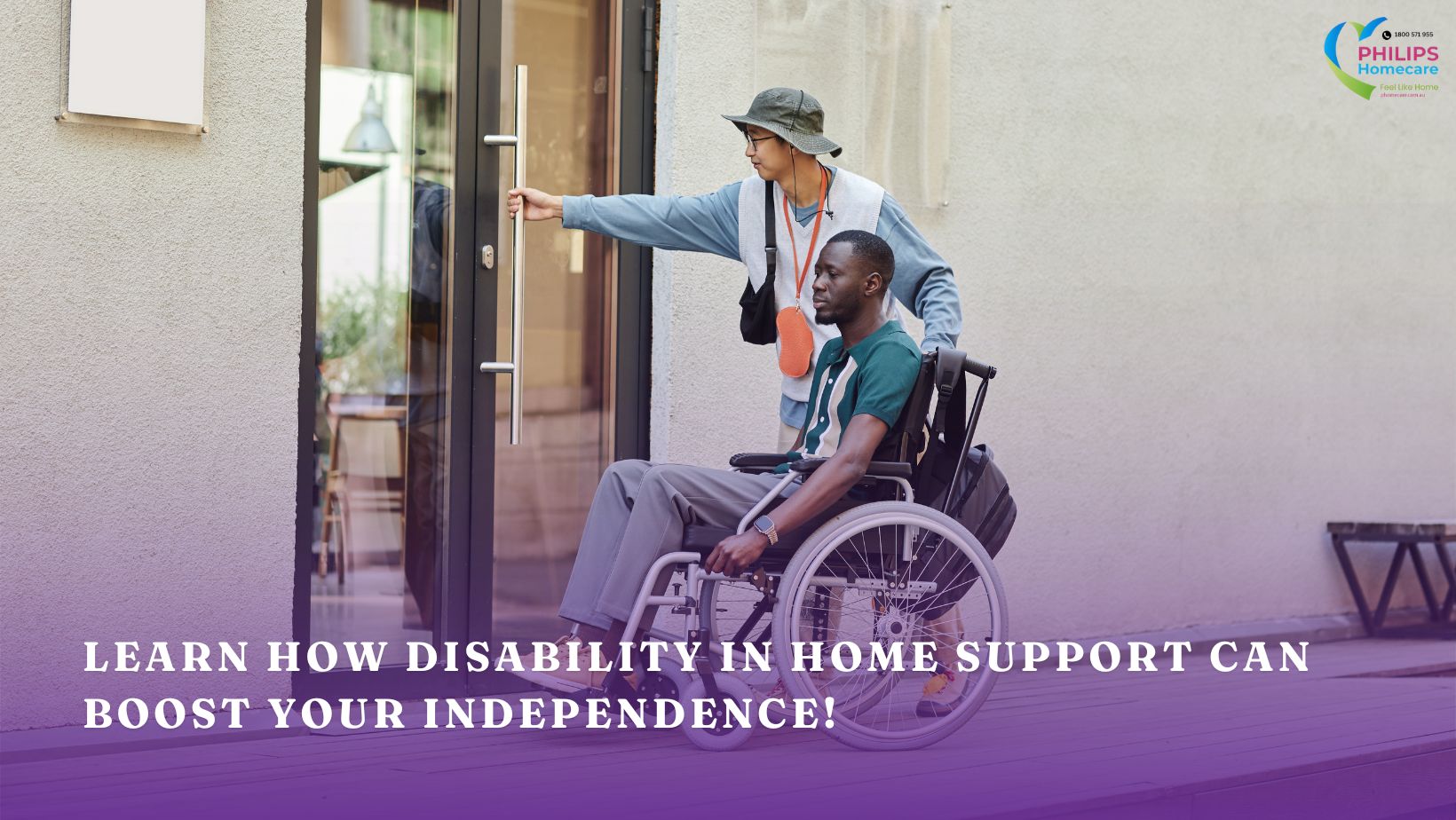
Independence is something we all value, but for many people living with a disability, achieving it can feel like a daily challenge. The good news is that with the right services, building confidence, freedom, and control over everyday life is possible. Disability in home support is one of the most effective ways to help NDIS participants live more independently while still receiving the care they need.
This guide will walk you through what disability in home support is, how it works, and the many ways it can enhance your independence. Whether you need help with daily tasks, social connections, or health management, these services can empower you to live the life you choose.
What Is Disability In Home Support?
Disability in home support refers to personalised assistance provided in your own home to make everyday living easier, safer, and more fulfilling. Unlike traditional care options, this support is designed to fit around your lifestyle, goals, and preferences. Instead of moving into a facility or relying heavily on others, you can receive the help you need while staying in your familiar environment.
This type of support is flexible and can range from simple assistance, such as help with cooking or cleaning, to more complex care like mobility support, personal care, or health monitoring. Most importantly, it gives you the opportunity to take control of how, when, and where you receive support.
How Disability In Home Support Promotes Independence
1. Encourages Daily Living Skills
One of the main benefits of disability in home support is the chance to develop and strengthen daily living skills. For example, support workers can guide you in cooking your meals, managing laundry, or handling money. Instead of doing things for you, the focus is often on doing things with you. Over time, this builds your confidence and reduces the need for constant help.
2. Supports Your Health and Wellbeing
Maintaining health is a key part of staying independent. Disability in home support can help with medication management, physical activities, or meal preparation to ensure you stay healthy and energetic. Many NDIS participants find that with the right support, they are able to maintain routines that keep their body and mind strong.
3. Gives You More Control Over Your Choices
When you receive support at home, you get to decide how your day should look. You choose your schedule, the type of activities you want to focus on, and the level of assistance you need. This sense of choice and control is central to living independently. Disability in home support is not about taking over your life, but about giving you the tools and guidance to lead it your way.
4. Improves Safety at Home
Independence is also about feeling safe. Disability in home support can include help with mobility, installing home safety features, and reducing risks of accidents. With professional support, your home becomes a safer space, allowing you to move around with confidence and without fear of injury.
5. Builds Social Confidence
Living independently is not just about doing tasks on your own—it’s also about connecting with others. Support workers can assist you in joining community activities, meeting friends, or attending appointments. This balance of personal independence and social inclusion helps reduce isolation and boosts self-esteem.
Disability In Home Support and the NDIS
The NDIS is designed to give people with disability greater choice and control over the supports they receive. Disability in home support is one of the key services funded under many NDIS plans. Depending on your goals, the NDIS may cover supports like:
- Personal care (bathing, dressing, grooming).
- Household tasks (cooking, cleaning, gardening).
- Transport assistance.
- Community participation activities.
- Therapy support at home.
- Help with managing routines and schedules.
These supports are tailored to match your goals, whether that means becoming more independent in daily tasks, improving your mobility, or getting more involved in the community.
Who Can Benefit from Disability In Home Support?
Disability in home support is beneficial for people with a wide range of needs. You may find it helpful if:
- You want to stay at home but still need daily assistance.
- You are aiming to learn or strengthen independent living skills.
- You need support managing health conditions or personal care.
- You want to feel safer in your home environment.
- You are looking to participate more actively in community or social life.
This service is not limited to a specific age or disability type. Instead, it is built to adapt to your unique situation and goals.
Living with a disability does not mean giving up your independence. With the right approach, disability in home support can transform daily challenges into opportunities for growth and confidence. It allows NDIS participants to stay in their homes, enjoy more control over their lives, and build the skills needed for a more independent future.
If you are exploring ways to boost your independence, P Home care’s disability in home support may be the key to unlocking new opportunities and achieving your goals.
1. What is disability in home support?
Disability in home support is personalised assistance provided at home to help people with disability manage daily tasks, personal care, health needs, and community participation. It aims to promote independence and improve quality of life.
2. How does disability in home support improve independence?
It helps by building daily living skills, ensuring safety, providing health support, and encouraging social participation. Over time, participants gain confidence and require less direct assistance.
3. Can disability in home support be funded by the NDIS?
Yes, the NDIS may fund disability in home support if it aligns with your goals and needs. Supports can include personal care, household tasks, therapy at home, and community access.
4. Who is eligible for disability in home support services?
Eligibility depends on your NDIS plan and personal goals. Participants who need assistance to live independently at home, manage health, or connect socially are often eligible.
5. What types of services are included in disability in home support?
Services may include personal care, cleaning, cooking, medication reminders, mobility support, transport, and help with community activities. Supports are tailored to each participant’s lifestyle and goals.

Add Comment