
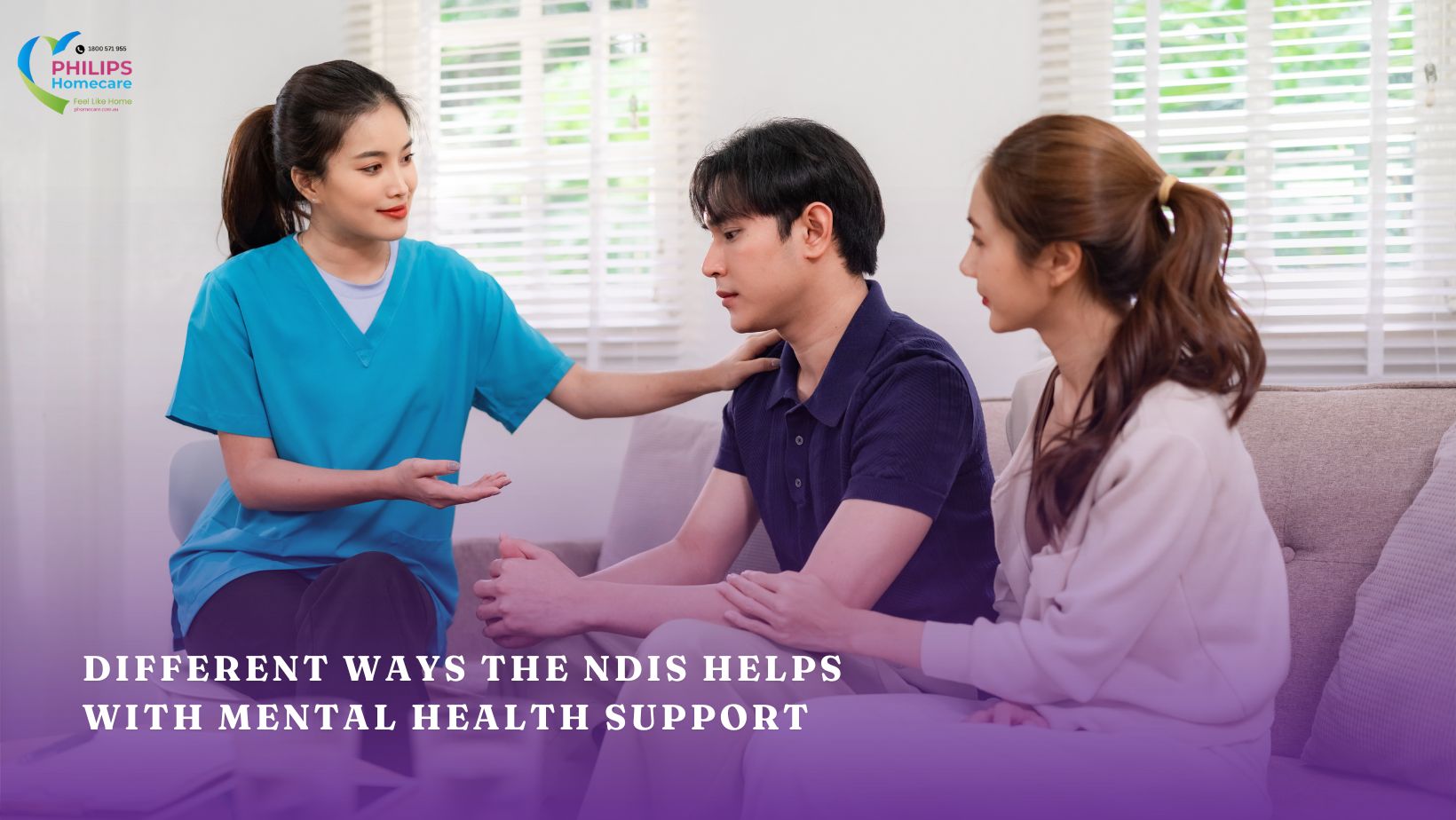
Mental health needs are unique for every person. Some individuals require daily motivation and emotional guidance, while others need practical support to manage daily tasks, social pressures, and work expectations. The National Disability Insurance Scheme (NDIS) recognises this difference and offers a wide range of services to support mental wellbeing in different areas of life. This is why ndis mental health support is more than just therapy—it is a full approach to living confidently, safely, and independently.
Many people associate mental health care with counselling or psychology. While these services are important, they are only one part of the journey. True recovery also involves building life skills, forming strong relationships, achieving personal goals, and feeling connected to the community. Through flexible and participant-centred supports, the NDIS provides long-term assistance that focuses not only on medical needs but on lifestyle and independence too.
1. Daily Living Support for Structure and Routine
Daily routines can become overwhelming for individuals living with mental health conditions. Simple tasks like cleaning, cooking, or attending appointments may feel impossible without the right support. With ndis mental health support, participants can receive hands-on help to manage their day-to-day activities.
These supports may include:
- Assistance with personal care and hygiene
- Help organising home duties
- Support to attend medical and social appointments
- Encouragement to build daily habits and self-care routines
By improving structure and reducing stress, participants feel more organised and in control of their daily life.
2. Skill Development for Long-Term Independence
Learning new skills can greatly improve confidence and mental wellbeing. The NDIS funds training and capability-building programs that help participants manage future challenges independently.
Examples include:
- Budgeting and money management
- Meal planning and nutritional education
- Travel training and road safety
- Communication and interpersonal skills
Skill development allows participants to achieve personal goals while gaining more control over their life. This is a powerful part of ndis mental health support because it focuses on progress, growth, and self-motivation.
3. Community and Social Participation
Isolation can worsen mental health symptoms. Being part of a community helps people feel valued and connected. The NDIS supports participants to explore hobbies, sports, learning groups, volunteer programs, and social activities.
Participants can receive assistance to:
- Join fitness and recreational programs
- Attend art, music, or educational workshops
- Participate in support groups and social meet-ups
Real friendships and meaningful activities play a great role in recovery. Social participation is a core part of ndis mental health support because it enhances belonging and reduces loneliness.
4. Employment and Study Support
Having a purposeful career or educational path can significantly improve self-esteem. For people living with psychosocial disability, returning to work or study may feel difficult—but with the right support, it becomes achievable.
Employment and learning support includes:
- Job readiness and resume preparation
- Training in workplace communication
- Help building professional routines
- Coaching and workplace adjustment support
Participants can pursue part-time or full-time work, vocational training, or higher education with confidence. This aspect of ndis mental health support helps individuals feel empowered, valued, and hopeful about their future.
5. Crisis and Safety Planning
Some mental health conditions involve periods of crisis. Knowing support is available during difficult moments can make an enormous difference. The NDIS can include crisis planning services that help individuals stay safe and supported.
Crisis supports may include:
- Development of a personalised safety plan
- Coordination with family, care teams, and medical providers
- Emotional support and calm guidance during stress
- Short-term care for stabilisation
This ensures that participants and their support network know who to contact, how to respond, and what strategies reduce risk during challenging moments.
6. Support Coordination for Smooth and Stress-Free Care
Managing multiple services can be confusing. Support Coordinators help participants understand their NDIS plan, book supports, connect with the right providers, and make sure services are working well.
Support coordination takes away unnecessary pressure and helps participants focus on recovery. P Homecare provide support coordination services to help participants use their funding effectively and confidently.
7. Home and Living Supports for a Safe Environment
A comfortable and supportive home environment contributes to mental wellbeing. The NDIS helps participants access supported living options if daily challenges make independent living difficult.
These supports may include:
- Shared supported accommodation
- Independent living training
- Transitional living options
- Support workers at home for daily stability
By creating a secure and calm home life, ndis mental health support helps participants feel safe and confident in their personal space.
A Truly Holistic Approach to Mental Wellbeing
The NDIS understands that mental health is not only about therapy—it is about living a meaningful and independent life. From daily living assistance to emotional guidance, social connections, and personal growth, participants receive support that empowers them every step of the way.At P Homecare, the focus remains on personalised services that respect individuality, encourage progress, and support every participant’s goals. With the right ndis mental health support, individuals can build resilience, improve wellbeing, and create a future where they feel strong, independent, and fulfilled.

Add Comment