
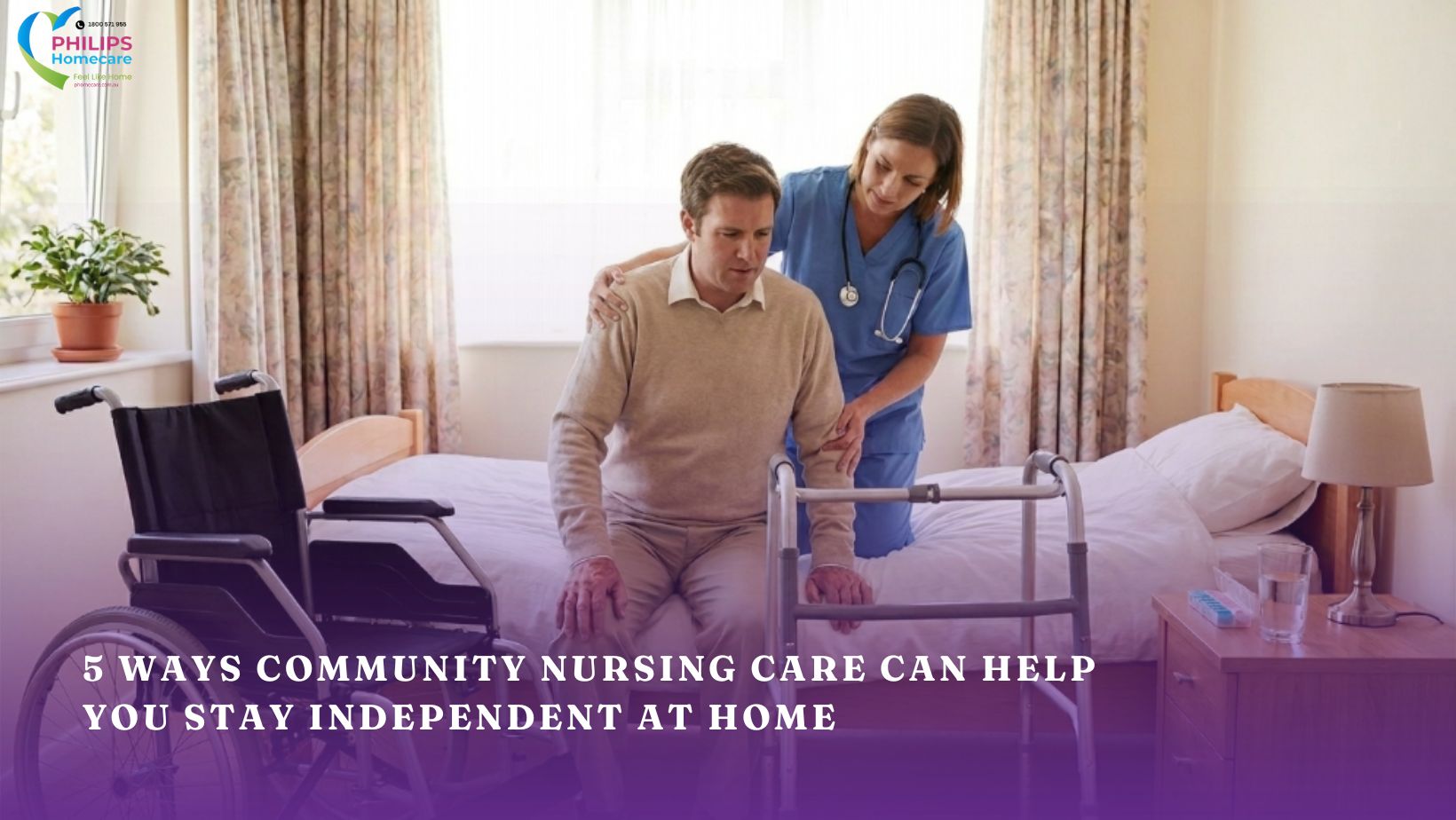
Living with a disability should never limit a person’s ability to enjoy independence, dignity, and a fulfilling life. At P Homecare, we believe every individual deserves compassionate support that helps them feel safe, confident, and empowered in their everyday life. This is where disability home care assistance plays a life-changing role for NDIS participants across Australia.
As the National Disability Insurance Scheme (NDIS) continues to support Australians living with disabilities, many participants are choosing personalised in-home care services that allow them to remain comfortable in familiar surroundings while receiving professional support. The right care not only improves physical wellbeing but also enhances emotional health, social participation, and overall quality of life.
Understanding Disability Home Care Assistance
Disability home care assistance refers to personalised support services delivered in the comfort of a participant’s home. These services are designed to help individuals manage daily living activities while maintaining as much independence as possible.
Unlike institutional care, home-based support allows participants to stay connected with their community, routines, and loved ones. Every care plan is tailored to the participant’s unique goals, abilities, and NDIS funding arrangements.
At P Homecare, our support workers focus on building trust, respect, and long-term positive outcomes through compassionate and participant-centred care.
Why Disability Home Care Assistance Matters
For many NDIS participants, daily tasks can become physically or emotionally challenging without the right support. Professional disability home care assistance helps bridge this gap while promoting dignity and self-confidence.
Participants often experience improved wellbeing when they can:
- Remain in a familiar and comfortable environment
- Make independent choices about their lifestyle
- Maintain personal routines and cultural preferences
- Receive one-on-one support tailored to their needs
- Build social confidence and community participation
Home care is not simply about assistance with tasks. It is about empowering individuals to live life on their own terms.
Supporting Independence Through Personalised Care
One of the biggest advantages of disability home care assistance is the ability to create personalised care plans that align with individual goals.
Every NDIS participant has different aspirations. Some may want to learn independent living skills, while others may need support managing mobility, medication, or social activities. Personalised home care ensures support is flexible and evolves as needs change.
At P Homecare, we encourage participants to actively participate in decision-making regarding their care. This participant-led approach helps individuals feel more confident and in control of their lives.
Examples of personalised support include:
- Assistance with personal hygiene and grooming
- Meal preparation and nutritional support
- Household cleaning and laundry
- Mobility and transfer assistance
- Medication reminders
- Transport to appointments and community activities
- Social companionship and emotional support
This tailored approach ensures disability home care assistance becomes a tool for empowerment rather than dependency.
Creating a Safer Home Environment
Safety is one of the most important concerns for people living with disabilities and their families. A well-structured disability home care assistance plan can significantly reduce risks and create a secure living environment.
Support workers are trained to identify potential hazards and implement strategies that improve safety within the home. This can include assistance with mobility, fall prevention, medication management, and emergency preparedness.
Some important safety-focused support services include:
- Monitoring mobility challenges and preventing falls
- Ensuring safe use of mobility aids and equipment
- Supporting medication routines correctly
- Maintaining clean and organised living spaces
- Assisting with safe transfers and movement
- Responding quickly during emergencies
These proactive measures provide peace of mind for both participants and their families.
The Emotional Benefits of Disability Home Care Assistance
The impact of disability home care assistance goes far beyond physical support. Emotional wellbeing plays a major role in overall health, confidence, and happiness.
Many individuals living with disabilities experience social isolation, anxiety, or reduced confidence due to limited mobility or lack of support. Compassionate home care can help participants reconnect with their community and regain emotional strength.
At P Homecare, our carers focus on building genuine relationships with participants. Consistent companionship and emotional encouragement can make a significant difference in daily life.
Participants often experience:
- Increased self-esteem
- Reduced loneliness and isolation
- Greater motivation to engage socially
- Improved mental wellbeing
- Better confidence in daily activities
When participants feel emotionally supported, they are more likely to pursue personal goals and participate actively in their communities.
How Disability Home Care Assistance Supports Families
Families and caregivers often play an essential role in supporting loved ones with disabilities. However, caregiving responsibilities can sometimes become physically and emotionally overwhelming.
Professional disability home care assistance helps reduce this pressure by providing reliable support that families can trust.
This allows family members to:
- Balance work and personal responsibilities
- Reduce caregiver stress and burnout
- Spend more quality time with loved ones
- Feel confident knowing professional care is available
Home care services create a collaborative support system where participants, families, and support workers work together to achieve the best outcomes.
Why Choose us?
At P Homecare, we understand that every participant’s journey is unique. Our goal is to provide high-quality disability home care assistance that supports independence, dignity, and safety at every stage of life.
We take the time to understand individual goals, preferences, and support needs so we can deliver care that truly makes a difference.
Our dedicated team is committed to:
- Providing compassionate and respectful support
- Encouraging independence and confidence
- Creating safe and supportive home environments
- Delivering flexible NDIS services tailored to individual needs
- Supporting participants to live fulfilling and meaningful lives
Quality disability home care assistance is about much more than daily support. It is about empowering NDIS participants to live independently, safely, and confidently within their own homes and communities.
With the right support system, individuals living with disabilities can pursue their goals, strengthen their independence, and enjoy a higher quality of life. Personalised home care creates opportunities for growth, inclusion, and emotional wellbeing while ensuring participants receive the care they deserve.
At P Homecare, we are proud to support Australians with compassionate, reliable, and participant-focused services that help turn everyday challenges into opportunities for independence and success.
FAQ:
What are the 7 types of disabilities?
The seven commonly recognised types of disabilities include:
Physical Disabilities – Conditions that affect mobility, strength, or physical functioning.
Sensory Disabilities – Includes vision impairment, hearing loss, or other sensory challenges.
Intellectual Disabilities – Disabilities that affect learning, reasoning, and problem-solving abilities.
Psychosocial Disabilities – Mental health conditions that impact daily living and social participation.
Neurological Disabilities – Conditions affecting the nervous system, such as epilepsy or multiple sclerosis.
Cognitive Disabilities – Disabilities affecting memory, concentration, and understanding.
Developmental Disabilities – Conditions that begin during developmental stages, such as autism spectrum disorder or cerebral palsy.
At P Homecare, we provide personalised support services tailored to the unique needs of individuals living with different types of disabilities.
What is covered under a home care package?
A home care package is designed to support people who need assistance to live safely and independently at home. Depending on individual needs and eligibility, services may include:
Personal care and hygiene assistance
Meal preparation and nutrition support
Domestic help such as cleaning and laundry
Transport to appointments and community activities
Nursing and allied health services
Medication support
Social and emotional support
Mobility and safety assistance
For NDIS participants, disability home care assistance can also include tailored supports that align with personal goals, independence, and daily living requirements.
What disability support does NDIS not cover?
The NDIS does not fund supports that are considered everyday living expenses or services that should reasonably be provided by other government systems. Examples of supports generally not covered include:
Rent, groceries, or utility bills
General healthcare services covered by Medicare
Hospital treatments and emergency services
Education-related costs such as school fees
Supports not directly related to a participant’s disability
Holiday expenses unrelated to disability needs
Items that are unsafe or not value for money
The NDIS focuses on funding “reasonable and necessary” supports that help participants improve independence, participate in the community, and achieve personal goals. At P Homecare, we help participants understand their funding and access the right support services for their needs.

Add Comment